
A1C Self-Tests vs. Blood Glucose Monitoring
A1C vs. BGM
A1C vs. BGM
Why You Need Both Glucose and A1C When You Have Diabetes
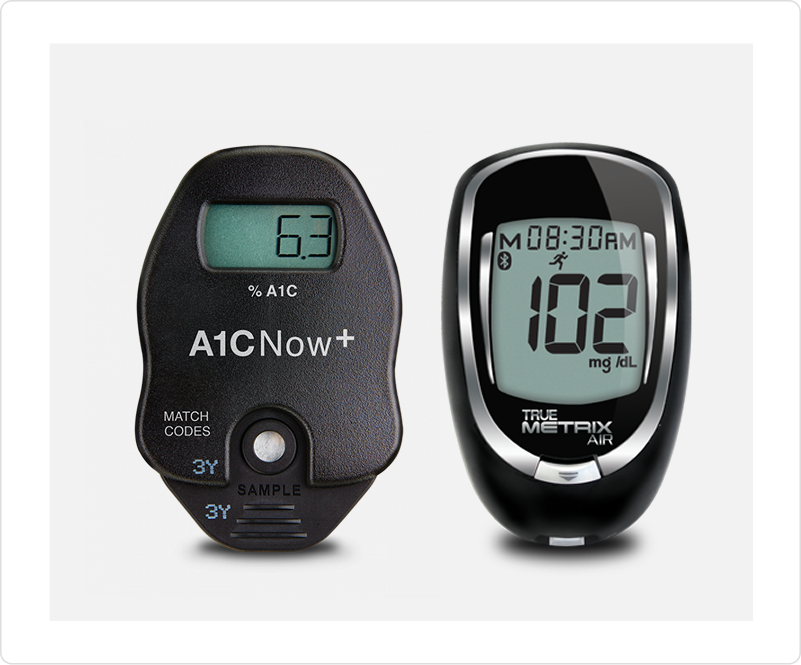
If you have diabetes, your doctor has likely asked you to measure your blood sugar level several times a day and to have your A1C tested 2 to 4 times per year. Have you ever wondered why you need both? It may seem that providing months- worth of daily blood glucose logs would provide more than enough information for your doctor to evaluate your treatment plan. But in fact, daily blood glucose measurements only tell part of the story. To get the full story, you also need an A1C test, which measures your average blood sugar levels over the past 2-3 months.

The Difference Between Glucose and A1C
To help make sense of it all, let’s think of your blood glucose and A1C goals in terms of saving money. Say you have a goal of saving $10,000 for an emergency fund. To help you reach your goal, you decide to keep a daily log of each time you spend. In 3 months, as you look back over your logs you notice that when you go to your favorite department store, you tend to spend about $50 more than you would like. To stay on track with your savings goal, you adjust your behavior.


Maybe you decide to stop going to that department store, or to make a list before you shop to reduce impulse purchases. That’s the type of benefit you and your healthcare providers get from daily blood glucose measurements. It can show you how well-controlled your blood sugar was on a particular day, at a particular time during that day.
Now, let’s say you want to see how close you are to your financial savings goal overall. For that, you’ll need to take a look at your bank account to see how well those day-to-day behavioral adjustments have been paying off over time. Has consistently avoiding your
Maybe you decide to stop going to that department store, or to make a list before you shop to reduce impulse purchases. That’s the type of benefit you and your healthcare providers get from daily blood glucose measurements. It can show you how well-controlled your blood sugar was on a particular day, at a particular time during that day.
Now, let’s say you want to see how close you are to your financial savings goal overall. For that, you’ll need to take a look at your bank account to see how well those day-to-day behavioral adjustments have been paying off over time. Has consistently avoiding your favorite department store allowed you to save up as much money as you’d hoped? If not, what additional adjustments could you make in your day-to-day decisions to get you closer to that goal?
A1C HAS THE POWER TO PREDICT
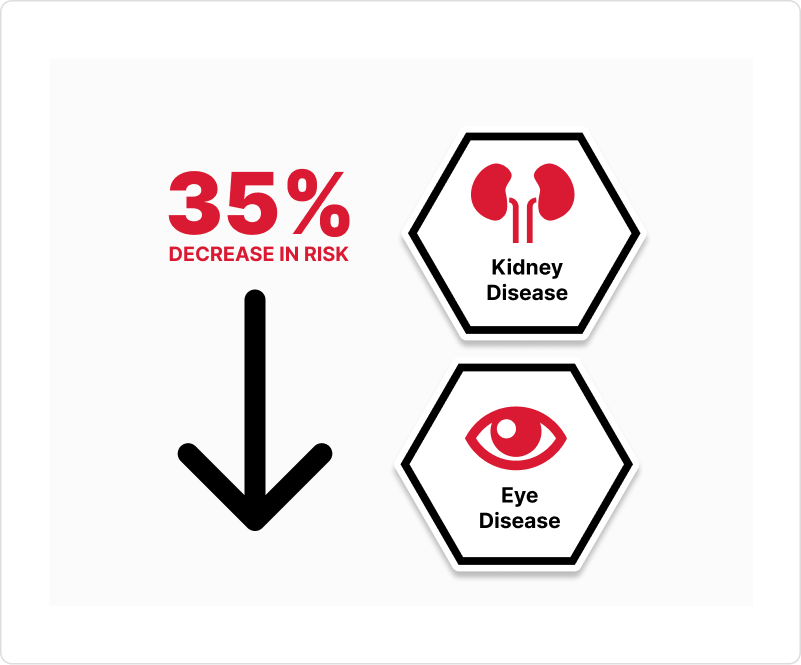
In a nutshell, blood glucose monitoring is great for giving you feedback on how your daily choices—foods, activities, etc.— are affecting your diabetes management in the short term. A1C tells you what kind of impact those choices are having on your diabetes management overall. And, understanding that overall impact helps you and your doctor evaluate your risk for developing complications from diabetes. For example:

A1C AT HOME
Before the COVID-19 pandemic, A1C tests were often conducted in doctor’s offices or stand-alone laboratories. But just as people have begun to adapt by attending virtual appointments from the comfort and safety of their homes, they have also begun to conduct their own blood tests at home. This has led to a boom in new at-home tests (3), for everything from A1C to food sensitivities. Fortunately, for patients with diabetes, this means that they don’t have to miss out on the benefits of regular A1C testing, even when they can’t get blood work done in person. Before you purchase an at-home A1C test, speak with your doctor to determine which FDA-cleared A1C test is best for you.
References
1 https://www.medscape.com/answers/117853-6490/what-are-the-implications-of-the-findings-of-the-united-kingdom-prospective-diabetes-study-ukpds-for-management-of-type-2-diabetes-mellitus-dm
2 https://www.endocrinologyadvisor.com/home/topics/diabetes/type-2-diabetes/hemoglobin-a1c-can-predict-cardiovascular-outcomes-in-high-risk-patients-with-diabetes/
3 https://medicalfuturist.com/the-rise-of-at-home-lab-tests/